
Your dishwasher isn’t drying dishes anymore, and you’re left wondering if it’s time for an expensive repair or replacement. Before you call a technician, it’s worth understanding what a dishwasher heating element is and whether a dishwasher heating element replacement is something you can tackle yourself. The heating element is one of the most common failure points in modern dishwashers, and knowing the signs of trouble can save you hundreds of dollars. This guide walks you through diagnosis, repair options, and when to call in the professionals so you can make an well-informed choice about your kitchen.
Table of Contents
ToggleKey Takeaways
- A dishwasher heating element is an electrical component that heats water to 140–160°F during wash cycles and dries dishes afterward, making it one of the most common failure points in modern dishwashers.
- Wet dishes, cold water output, spotting on glassware, and rapid clicking sounds are primary signs that your dishwasher heating element is failing and needs diagnosis or replacement.
- Hard water mineral deposits are the leading cause of heating element failure, so installing a water softener and running monthly descalers can extend the component’s lifespan by years.
- A DIY dishwasher heating element replacement costs $150–$300 and saves $200–$400 in labor, while professional repair typically runs $400–$700 depending on brand and access difficulty.
- Test your heating element with a multimeter (20–40 ohms = working; infinite reading = failed) before replacing, as other issues like clogged spray arms or failed thermostats can mimic heating element problems.
- Whole-house surge protectors, proper loading habits, and quarterly spray arm cleaning are low-cost preventative measures that protect your heating element and other appliances from damage.
What Is a Dishwasher Heating Element and How Does It Work?
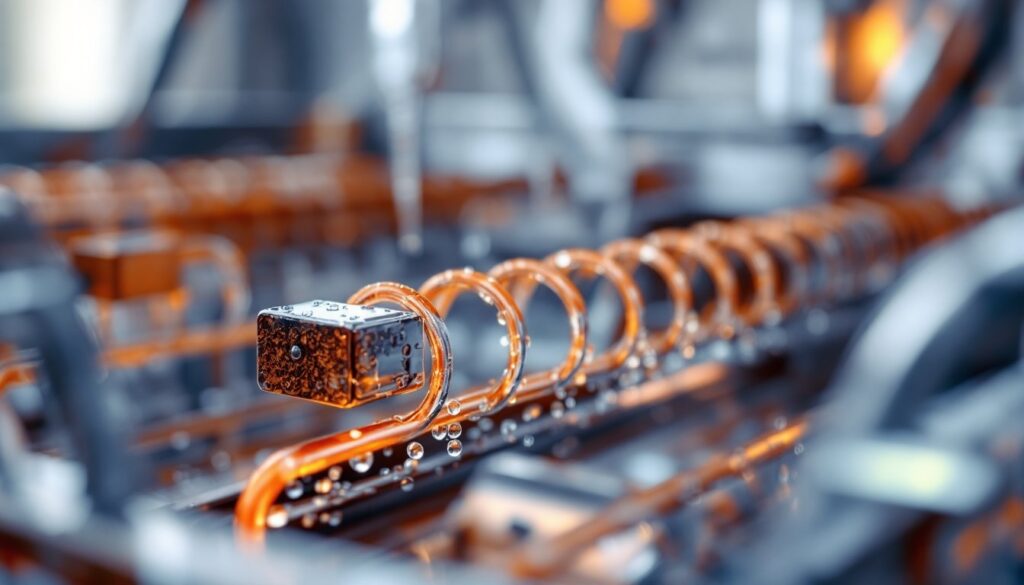
A heating element for dishwasher is an electrical component that warms water during the wash and rinse cycles and dries dishes at the end of the cycle. Most modern dishwashers use one of two types: a tubular immersion heater submerged in a sump beneath the spray arms, or a flat heating element mounted on the tub’s bottom. The heating element receives power from the dishwasher’s control board and heats water to roughly 140–160°F during wash cycles, which improves detergent effectiveness and sanitizes dishes. During the dry cycle, the element stays on at lower temperatures to evaporate water from the dishes. When the heating element fails, water won’t reach proper temperatures, and dishes won’t dry, leaving you with wet, spotted dinnerware every cycle. Understanding how this component works is the first step toward diagnosing whether it’s actually the problem.
Signs Your Dishwasher Heating Element Is Failing
The most obvious sign is dishes that stay wet at the end of the cycle, they’ll be damp inside and out, sometimes with water pooled in bowls and glasses. You might also notice dishes coming out cold or warm rather than hot, or a lack of visible steam when you open the door right after the cycle ends. Spotting and filming on glassware can indicate water temperatures dropping during the wash phase, since cooler water doesn’t dissolve detergent as effectively. If your dishwasher heats water early in the cycle but you hear the heating element click on and off repeatedly (a rapid cycling sound), that’s another red flag. In some cases, you’ll smell a burnt odor from inside the dishwasher, which usually means the element is close to complete failure. Keep in mind that why your dishwasher isn’t drying can stem from other issues, a faulty thermostat, clogged drain, or vent problems, so diagnosis matters before you jump into replacement.
Common Causes of Heating Element Failure
Hard water is the leading culprit behind heating element failure in most regions. Mineral deposits build up on the heating element surface, reducing contact with water and forcing the element to work harder and hotter, which accelerates wear. Over time, the element’s metal surface can pit and develop weak spots where current leaks, eventually causing a break. Manufacturing defects are rare but do happen, some heating element batches have internal flaws that cause failure within a few years, even with normal use. Overvoltage surges (often from lightning strikes or utility grid issues) can blow a heating element instantly. Power surges cause the element’s resistance wire to overheat and rupture. If you’ve noticed multiple appliances failing at once, a whole-house surge may be to blame. Regular use and age are inevitable factors too: most heating elements last 5–10 years depending on water hardness and usage frequency. If you have very hard water, installing a whole-home water softener can extend the life of not just your dishwasher but other appliances as well.
DIY Diagnosis: Testing Your Heating Element
Before assuming the heating element is bad, rule out simpler problems. Check that your dishwasher’s spray arms aren’t clogged, food debris can block water jets and prevent proper heating circulation. Make sure the drain line isn’t kinked and that the vent (if your model has one) is clear: poor ventilation prevents moisture from escaping, leaving dishes wet. Next, test the heating element itself using a multimeter set to the ohms (resistance) setting. Unplug the dishwasher and access the element, usually located under the tub by removing the lower access panel. Disconnect the heating element’s wires carefully (take a photo first for reassembly). Place the multimeter probes on the element’s terminals: a reading between 20 and 40 ohms indicates a functioning element, while an infinite reading (or no reading at all) means it’s open and failed. If you’re uncomfortable working inside the appliance or removing panels, stop here and call a technician. A professional can also test the thermostat and high-limit switch, which sometimes fail and prevent the element from heating even if the element itself is fine. Don’t guess, a bad diagnosis leads to unnecessary spending on a replacement part that won’t solve your problem.
Replacement Options: When to DIY vs. Call a Professional
If testing confirms the heating element is dead, you have two paths. A DIY heating element dishwasher replacement is feasible if you’re comfortable working around electrical components and taking the dishwasher partly apart. Most heating elements cost $150–$300, and you’ll save $200–$400 in labor by doing it yourself. The process involves unplugging the dishwasher, removing the lower panel or kick plate, unbolting the old element, disconnecting its wires, and installing the new one in reverse. Have paper towels ready, residual water will spill. Always wear safety glasses in case mineral-encrusted pieces flake off. If your dishwasher is still under warranty or if you’re uncomfortable with electrical work, call a licensed appliance technician. They’ll handle diagnosis, replacement, and any additional repairs your dishwasher might need. Professionals can also spot issues like failed thermostats or control board problems that might have contributed to element failure. Resources like Family Handyman and Popular Mechanics have detailed guides and videos if you need a walkthrough before attempting the job yourself. Take your time, watch the tutorial twice, and don’t force any connections.
Cost Considerations and Prevention Tips
A professional heating element replacement typically costs $400–$700 all-in, depending on your dishwasher brand, access difficulty, and local labor rates. If your dishwasher is over 10 years old and repair costs approach 50% of a new unit’s price, replacement might make financial sense. Newer dishwashers are more efficient and quieter, so the long-term savings in water and energy can offset the upfront cost. To extend your heating element’s life, install a water softener if you have hard water above 100 ppm (parts per million). Run a dishwasher cleaner like citric acid or a commercial descaler monthly to dissolve mineral buildup. Don’t overload the dishwasher, crowded loads block water circulation, forcing the heating element to compensate. Clean the spray arms quarterly to prevent clogs. Consider a whole-house surge protector to guard against power surges that can damage the element instantly. These preventative steps cost little and can buy you years of trouble-free operation. Check your homeowner’s insurance too: some policies cover appliance failures if they result from utility company surges or lightning strikes.
Conclusion
A failing dishwasher heating element is frustrating but rarely a showstopper. Diagnose the problem correctly, weigh the DIY versus professional route based on your comfort level and budget, and remember that prevention, especially water softening and regular descaling, keeps your dishwasher running longer. Whether you replace the element yourself or hire someone, addressing the issue promptly prevents secondary damage to the dishwasher’s control board or tub.