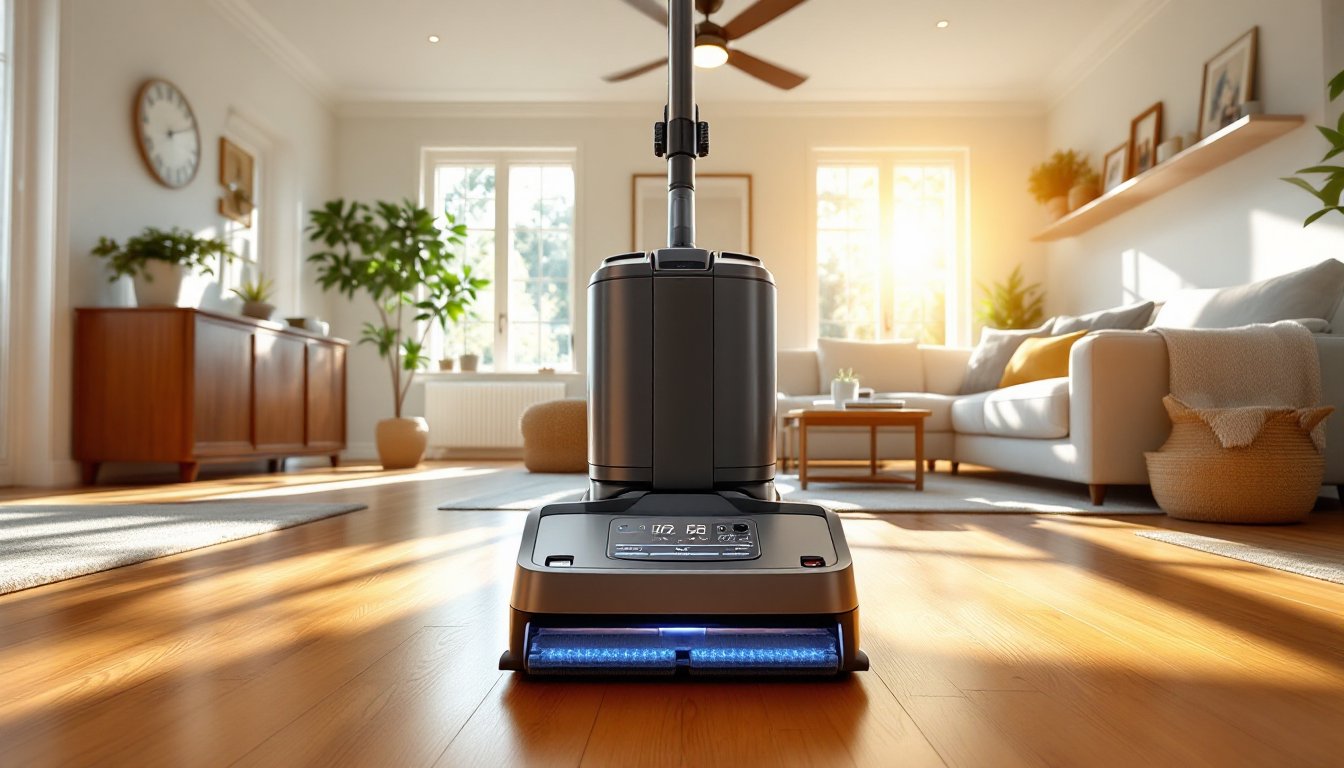
Hardwood floors add warmth and value to any home, but keeping them clean requires more than a regular vacuum and mop. A quality hardwood floor cleaner machine removes embedded dust, stubborn dirt, and grime without the elbow grease, and when chosen correctly, it protects your investment. Whether you’re dealing with high-traffic areas, pet hair, or sticky kitchen spills, the best hardwood floor cleaner machine strikes a balance between cleaning power and safety for your wood. This guide walks you through what to look for, the different types available, and how to use and maintain your machine to keep those floors pristine for years.
Table of Contents
ToggleKey Takeaways
- A quality hardwood floor cleaner machine removes embedded dust and grime while protecting your wood’s moisture level, preventing warping and damage that regular mopping can’t achieve.
- Semi-dry systems are preferred by professionals for residential hardwood floors because they balance effective cleaning with moisture control, making them suitable for most sealed hardwoods.
- Choose a hardwood floor cleaner machine with at least 200 air watts of suction power, HEPA filtration for allergen removal, and microfiber pads to avoid scratching finishes.
- Clear debris, vacuum thoroughly, and always test on an inconspicuous area before using your machine to prevent scratches, jams, or damage to sensitive wood finishes.
- Regular maintenance—cleaning brush rollers after each use, rinsing water tanks weekly, and descaling heating elements annually—extends your machine’s lifespan and keeps performance optimal.
Why You Need a Hardwood Floor Cleaner Machine
Regular mopping gets surface dirt, but hardwood floors collect dust, debris, and moisture in grain patterns and corners where a mop can’t reach effectively. Over time, this buildup dulls the finish and can lead to staining or finish damage. A hardwood floor cleaner machine uses targeted water spray, suction, or steam to lift contaminants while protecting the wood’s moisture level, something crucial because too much water causes swelling, warping, and cupping.
For homeowners with kids, pets, or high-traffic zones, these machines save time and deliver more consistent results than manual cleaning. Unlike harsh chemical solutions, many modern machines use minimal water and eco-friendly formulas that clean without leaving residue or streaks. If you have allergies or asthma, a machine with HEPA filtration captures fine dust particles that traditional mopping leaves airborne.
Types of Hardwood Floor Cleaner Machines
Steam Cleaners vs. Dry Systems
Steam cleaners use heated water vapor to sanitize and dissolve grime without harsh chemicals. They heat water to around 200–240°F, which kills bacteria and loosens dirt effectively. The tradeoff: steam can penetrate the wood if your floorboards aren’t sealed properly or if you leave the machine sitting in one spot too long. Always test on a small, inconspicuous area first, and check your floor’s finish type before using steam.
Dry or semi-dry systems spray a light mist of cleaning solution onto the floor, then immediately suck it back up with powerful suction. This method uses minimal moisture, making it safer for unfinished or older hardwoods. These machines typically dry in 15–30 minutes, letting you return to the space quickly. Dry systems work best for routine maintenance and light soiling.
Spray-and-wipe hardwood floor cleaner machines combine portability with decent cleaning power. They’re cheaper and take up less storage space but require more manual effort. For larger homes or frequent cleaning, a full-size upright or ride-on machine is more efficient, though these cost more upfront and need dedicated space.
According to hardwood floor cleaning tests and expert recommendations, most professionals prefer semi-dry systems for residential hardwood because they balance cleaning effectiveness with moisture control, making them suitable for most sealed hardwoods.
Key Features to Look For
Water Tank Capacity matters more than you’d think. A 1.5-gallon or larger clean water tank means you won’t refill as often during a whole-house cleaning session. The dirty water tank should be similarly sized: machines that empty frequently interrupt your workflow.
Suction Power rated in air watts determines how quickly water is extracted from the floor. Aim for at least 200 air watts: anything less leaves floors damp longer, increasing mildew risk. Check decibel levels too, machines over 85 dB create noticeable noise, which matters if you have young children or live in a multi-unit home.
Brush Type and Speed affect cleaning performance. Natural microfiber pads are gentler on sealed finishes and less likely to scratch. Rotating brushes that spin at 200+ RPM lift dirt more effectively than stationary pads. Some machines let you adjust brush pressure, which is valuable when switching between different floor types or finish conditions.
HEPA Filtration traps fine dust and allergens instead of exhausting them back into the air. If anyone in your household has respiratory sensitivities, this feature justifies the extra cost.
Cord Length and Weight directly affect how long you can work without repositioning or plugging into a new outlet. Lighter machines (under 20 pounds) reduce fatigue on upper-body muscles. Cordless options are convenient but typically offer shorter runtime (30–45 minutes) and higher upfront costs.
Solution Heating keeps water warm throughout your cleaning session, improving dirt dissolution. Machines that heat on-demand or maintain temperature perform better than those with no heating element, especially in cooler months or on heavily soiled floors.
How to Use Your Hardwood Floor Cleaner Machine Safely
Before powering on, clear the floor of furniture, rugs, and toys to prevent snagging the cord or machine head. Vacuum thoroughly first, debris left behind can jam the brush or scratch your floors when the machine pulls it across.
Fill the clean water tank with distilled water if your area has hard water: mineral buildup clogs nozzles and reduces performance. Add the recommended amount of hardwood-specific cleaning solution, don’t improvise with all-purpose cleaners, which leave residue or strip finishes. Always plug the machine into a ground-fault circuit interrupter (GFCI) outlet for electrical safety.
Wear closed-toe shoes with good grip to avoid slipping on wet floors. Goggles protect your eyes from spray, and gloves keep your hands dry. Start in a corner, moving the machine in straight, overlapping passes. Work backward toward an exit so you’re not walking over just-cleaned areas. Don’t camp the machine on one spot: keep it moving to prevent oversaturation. Most hardwoods tolerate 2–3 passes per area, but sealed finishes are more forgiving than wax or oil-finished boards.
After cleaning, empty the dirty water tank promptly, stagnant water breeds odors and bacteria. Leave windows open or run a ceiling fan to circulate air and speed drying. Test dryness by touching a corner with your hand: floors should feel only slightly damp after 1–2 hours. Don’t replace furniture or let foot traffic resume until the floor is completely dry.
Maintenance Tips to Extend Machine Lifespan
Clean the brush rollers after every use. Lint, hair, and debris wrap around bristles, reducing cleaning effectiveness and forcing the motor to work harder. Most brushes pop out easily: rinse them under warm water and let air-dry completely before reinstalling. Check the machine manual for specific brush-replacement intervals, they typically wear out after 100–150 cleaning sessions.
Rinse the water tanks weekly and dry them thoroughly before storage. Mineral deposits from tap water accumulate inside nozzles and tubes, narrowing spray patterns. If you see reduced water spray, soak the spray head in white vinegar for 30 minutes, then flush with distilled water. For machines with heating elements, an annual descaling keeps thermal efficiency up and extends the element’s lifespan.
Inspect hoses and seals for cracks or deterioration every few months. A pinhole leak in a hose causes water to spray inside the motor housing, which leads to rust or electrical failures. Most hoses cost $20–50 and take minutes to swap out, far cheaper than a new machine. Store the machine in a dry, cool area away from extreme temperature swings. Cold garages in winter can damage plastic components and seals: slightly heated spaces (50–70°F) are ideal.
For more home maintenance tips and storage solutions, organizing your equipment properly prevents damage and keeps it accessible for regular use.
Conclusion
Investing in the best hardwood floor cleaner machine pays dividends through cleaner floors, a healthier indoor environment, and floors that stay beautiful for decades. Choose a machine that matches your home’s size, floor condition, and your physical ability to operate it comfortably. Treat it well, regular maintenance costs minutes today and saves hundreds in repairs or premature replacement down the road.