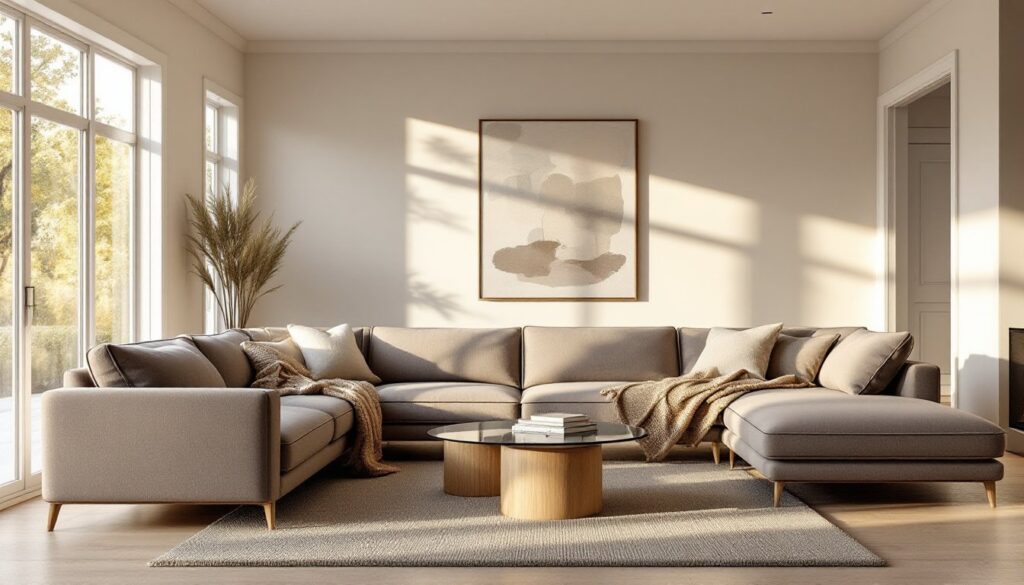
A custom sectional sofa is more than just a place to sit, it’s a tailored solution that fits your space, lifestyle, and aesthetic. Unlike off-the-rack options, a custom sectional allows you to control every detail: dimensions, fabric type, color, cushion firmness, and layout configuration. Whether you’re furnishing a tight apartment corner or anchoring a sprawling living room, the ability to customize ensures you’re not settling for a generic piece. This guide walks you through the key decisions involved in choosing and configuring a custom sectional sofa that works for your home.
Table of Contents
ToggleKey Takeaways
- A custom sectional sofa lets you control every detail—dimensions, fabric, color, and layout—ensuring your piece fits your space and lifestyle perfectly instead of settling for generic off-the-rack options.
- Accurate room measurements and traffic flow planning are essential before configuring a custom sectional; maintain at least 18 inches of walkway clearance and 8–10 feet of viewing distance from your TV.
- Fabric choice drives durability and maintenance: performance fabrics resist stains and fading, while natural materials offer comfort but require careful upkeep in high-traffic homes.
- Custom sectional pricing ranges from $1,500 to $10,000+ based on size, fabric selection, and customization options; expect 8–12 weeks for delivery after placing your order.
- Design details like leg style, arm height, cushion firmness, and color temperature allow you to align your custom sectional sofa with your home’s overall aesthetic and personal comfort preferences.
- Check fabric rub counts (15,000+ for heavy-duty use) and cleaning codes (‘W’ for water-cleanable is most convenient) to select a material that matches your home’s traffic level and lifestyle.
Why Choose a Custom Sectional Sofa
A custom sectional sofa offers flexibility that stock furniture simply cannot match. Standard sectionals come in preset configurations, usually a three-piece with fixed dimensions, but your room might have an awkward nook, a bay window, or architectural constraints that demand a different shape. Customization lets you size each component to the inch.
Beyond fit, customization covers performance. If you have kids and pets, you can specify performance fabrics that resist stains and wear. If you’re dealing with a bright, sun-soaked room, you can choose fade-resistant materials. If comfort is your priority, you can select cushion density and firmness (soft, medium, or firm) rather than accepting whatever the manufacturer pre-assembled.
From a design perspective, custom sectionals let you express your style without compromise. You choose the exact color, pattern, or texture, not from a limited palette, but often from thousands of options. Legs, arm styles, and back heights are also customizable. The result is a piece that looks intentional, not like a mass-produced placeholder.
Key Measurements and Layout Planning
Before you configure anything, measure your space with precision. Bring a tape measure, a notepad, and an open mind, most DIY furniture placement mistakes stem from rough estimates or overlooking obstructions.
Start by measuring wall-to-wall dimensions in the area where the sectional will sit. Note the exact length and depth of the space. Walk around the room and identify fixed obstacles: radiators, outlets, light switches, windows, doors, and architectural features like columns or fireplaces. Mark doorway widths: a sectional component needs to fit through during delivery.
Next, sketch your room on grid paper (or use a digital floor planner) and test different sectional configurations. Most custom sectional makers offer L-shapes, U-shapes, and modular arrangements with corner units, armless chairs, and chaise lounges. A typical sectional depth (front to back) runs 35 to 40 inches: add another 12 to 18 inches if you plan to place it away from the wall.
Consider traffic flow. A sectional shouldn’t block pathways to the kitchen, bathroom, or other rooms. Leave at least 18 inches of walkway clearance. If you’re placing the sectional opposite a TV or focal point, maintain 8 to 10 feet of viewing distance. Also plan for a coffee table, side tables, and any accent pieces, cramped arrangements feel cluttered and uncomfortable.
Fabric and Material Selection
Your choice of fabric will determine how the sectional feels, wears, and ages. This is not a cosmetic decision, it affects durability, maintenance, cleaning cost, and long-term satisfaction.
Natural fabrics like linen, cotton, and wool offer breathability and a soft hand, but they’re prone to staining, fading, and pilling. Linen creases easily: cotton absorbs liquids: wool can shed. These materials work best in low-traffic homes or adult-only spaces. Synthetic options, polyester, acrylic, microfiber, resist staining better and are easier to clean, but they trap heat and can feel plastic-y if quality is poor.
Blended fabrics combine natural and synthetic fibers for improved durability without sacrificing feel. A 50/50 cotton-poly blend, for example, resists wrinkles and staining better than pure cotton while retaining comfort.
Performance fabrics (trademarked names like Sunbrella, Crypton, or solution-dyed olefins) are engineered to repel spills, resist fading, and withstand heavy use. They’re ideal if you have kids, pets, or live in a sunny climate. Performance fabrics cost more upfront but save money on replacement and professional cleaning.
Durability and Maintenance Considerations
Before selecting fabric, ask yourself: How heavily will this sectional be used? If it’s a family gathering place, performance fabric or a protective treatment (like Scotchgard) is a smart investment. Check the fabric’s rub count, a measure of abrasion resistance. Ratings above 15,000 rubs indicate heavy-duty durability: 5,000–15,000 rubs suit moderate use.
Understand cleaning codes. Fabrics labeled “W” are water-cleanable: “S” fabrics require solvent cleaning (more expensive): “WS” can handle both: “X” requires vacuuming only. A sectional you can spot-clean at home with a damp cloth is infinitely more convenient than one requiring professional cleaning every spill.
Color choice also affects visibility of stains and wear. Light colors show dirt and pet hair immediately but create an airy feel. Dark colors hide wear better but can feel heavy. Mid-tone grays and taupes are a practical compromise, they’re forgiving but stylish. Pattern hides wear better than solid color: a neutral tone with subtle texture or geometric print is a smart, timeless choice.
Design Customization Options
Once you’ve nailed down the structure and material, it’s time to express your aesthetic. Custom sectional makers typically offer dozens of options for legs, arms, backs, and cushion wrapping.
Leg styles range from tapered wooden feet (modern/mid-century look) to metal bases (industrial or contemporary) to storage legs that include hidden compartments (practical for small spaces). Some sectionals sit fully upholstered to the floor, a more traditional or casual aesthetic.
Arm height and style also vary. High, padded arms feel cozy and support lounging: low arms feel open and modern. Track arms run the full depth for a clean line: rolled arms offer a classic, relaxed vibe. Some sectionals offer mix-and-match, one side with an arm, the opposite as an armless chaise, for example.
Cushion construction affects both comfort and longevity. Down-blend cushions (a mix of feathers and synthetic fibers) feel plush but require regular fluffing and show body impressions. High-density foam resists indentation, looks neater, and lasts longer, a practical choice for high-traffic homes. Some makers offer different firmness levels for different sections: a chaise might have softer cushions for lounging, while the main seating uses firmer support.
Colors, Patterns, and Style Directions
Inside Houzz, homeowners can browse thousands of sectional inspiration photos tagged by color, style, and configuration. This is a no-pressure way to see what resonates with you before committing.
If you’re drawn to neutral tones, consider depth of color, a warm gray differs from a cool gray, and the wrong temperature can clash with your existing décor. Test swatches in your actual lighting: a color that looks perfect in the showroom might feel off-base at home under your specific lights.
Patterns add personality but require confidence. A subtle geometric or damask works across styles: bold prints risk dating quickly. If you’re unsure, choose a solid base and incorporate pattern through pillows, throws, and other replaceable accents.
Style direction matters too. A modern sectional with low arms and tapered legs suits contemporary or mid-century spaces. Rolled arms and nailhead trim suit transitional or traditional rooms. A full-upholstery sectional leans casual or cottage. Make sure your sectional’s silhouette aligns with your overall room aesthetic and with MyDomaine’s interior design tips for cohesive styling advice.
Budget Planning and Cost Factors
Custom sectional pricing ranges widely, from $1,500 to $10,000+, depending on size, material, and maker. Understand what drives cost so you can allocate your budget wisely.
Base price varies by size. A small L-sectional (around 100 inches wide) costs less than a sprawling U-shape. Each additional component (a chaise, corner unit, armless chair) adds $300–$800. Fabric selection is the biggest lever: basic polyester blends start around $50–$80 per yard: performance fabrics run $100–$200+ per yard. A sectional uses 15 to 25 yards depending on size and configuration, so fabric choice alone can swing the total by $1,000+.
Customization adds cost. Premium down-blend cushions, contrasting piping, exposed legs, and specialty arm styles each add $100–$500. Some makers charge for rush delivery or white-glove delivery (assembly included). Protective treatments like Scotchgard are usually $200–$400 upfront and cheaper than professional cleaning later.
Don’t overlook lead times. Custom pieces often take 8 to 12 weeks to build after you place the order, longer during peak seasons. If you need a sectional quickly, semi-custom or made-to-order options with shorter windows might fit your timeline better.
Get quotes from at least two or three makers. Artisan makers like Lila & Lin, which specializes in handmade modular sofas, may offer unique design and build quality but take longer and cost more. Large furniture retailers offer faster timelines and broader style selections at lower entry prices. Mid-range custom brands balance quality, customization, and lead time. Weigh quality (frame construction, joinery, cushion density) against price: a $2,000 sectional built with kiln-dried hardwood and 2.5-pound-density foam will outlast a $2,500 sectional with particleboard and low-density foam.