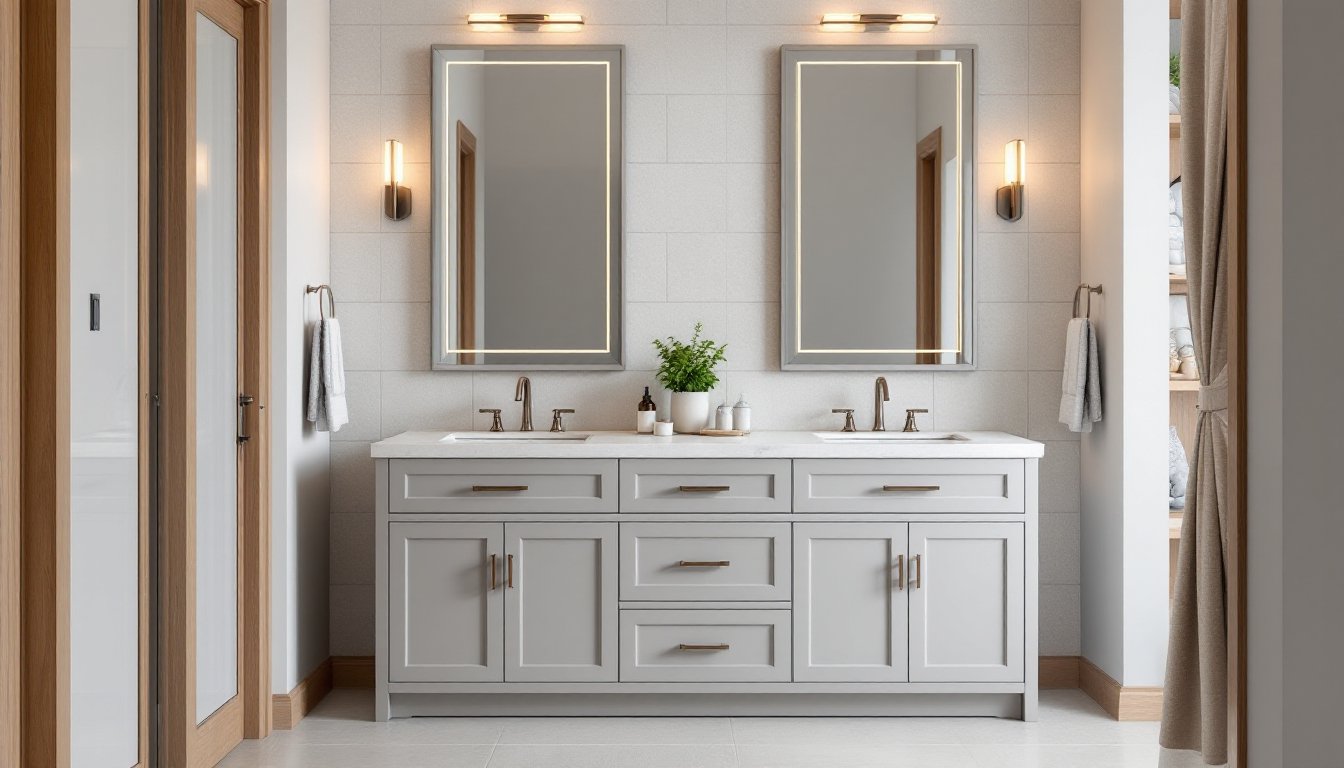
A 60-inch bathroom vanity with double sink is one of the smartest upgrades you can make to a master bath or shared guest bathroom. Whether you’re renovating from scratch or replacing an outdated single-sink setup, a 60 inch double sink bathroom vanity maximizes counter space, gives multiple users their own basin, and transforms your daily routine. This guide walks you through what to look for, how to install one correctly, and how to make it work with your bathroom’s style, without the guesswork or expensive mistakes.
Table of Contents
ToggleKey Takeaways
- A 60-inch bathroom vanity double sink provides the ideal balance of functionality and space, accommodating two users simultaneously while fitting comfortably in most master bathrooms without appearing oversized.
- Verify rough-in measurements before purchasing—even a few inches off can require costly plumbing relocations and installation delays, so hire a licensed plumber if supply lines or waste pipes need adjustment.
- Prioritize quality frame materials (solid wood or quality plywood) and soft-close hardware over premium countertops; you can upgrade the countertop later while a weak cabinet frame won’t survive long-term moisture exposure.
- Proper installation requires a level base (within 1/4 inch), secure wall fastening into studs, and professional plumbing work for venting and drainage to prevent leaks and code violations.
- Budget $400–$2,500+ for the vanity plus $500–$1,500 for installation labor; a durable 60 inch double sink bathroom vanity lasts 10–15+ years with routine care, delivering strong long-term value for families and shared bathrooms.
- Style your double-sink vanity with color, faucet finishes, and mirrors that complement your existing décor, and minimize countertop clutter with strategic storage and lighting to create a cohesive, functional bathroom focal point.
Understanding 60-Inch Double Sink Vanities
What Makes a 60-Inch Vanity Ideal for Your Bathroom
A 60-inch bathroom vanity double sink strikes the right balance between functionality and fit. At 60 inches wide, it’s large enough to accommodate two faucets, two basin areas, and plenty of storage without looking oversized in a typical master bath (which often runs 8 to 12 feet wide). Most residential bathrooms have floor space for a 60 inch double sink bathroom vanity without cramped access or poor traffic flow.
Double-sink vanities let two people use the bathroom simultaneously, a game-changer for families or couples sharing a morning routine. Each basin typically runs 16 to 18 inches wide, with a shared countertop and storage underneath. Unlike cramped single-sink setups, this layout gives everyone their own mirror and faucet space, reducing conflicts and speeding up morning prep.
Before buying, verify your rough-in measurements. Measure the existing vanity width, the distance from the wall to the nearest door or fixture, and check how the plumbing lines and electrical outlets are positioned. If your current vanity is smaller, you may need to relocate supply lines or waste pipes, work you should hire a licensed plumber to handle. A rough-in that’s off by even a few inches can result in wasted money and installation delays.
Material Types and Quality Considerations
Vanity quality depends on frame material, countertop choice, and how well the unit is assembled. The frame, the cabinet box itself, is typically solid wood, plywood, or MDF (medium-density fiberboard). Solid wood and quality plywood resist moisture and warping better, especially in steamy bathrooms: MDF is budget-friendly but more prone to swelling if water seeps in. Check for water-resistant backing on the rear panel where it sits against the wall.
Countertops come in several materials, each with trade-offs:
• Laminate: Affordable and easy to clean, but can chip at edges and isn’t as durable long-term.
• Solid surface (like Corian): Seamless, repairable, and resists stains, but costs more.
• Stone (granite, quartz): High-end, durable, and beautiful, but heavy and expensive. Quartz is non-porous and lower-maintenance than granite.
• Marble: Elegant but soft and stains easily: best for low-traffic bathrooms.
The sink basin material also matters. Porcelain, ceramic, and vitreous china are classic and affordable. Stainless steel or composite materials offer a modern look and are durable. Undermount sinks (sitting beneath the countertop) look sleek and simplify cleaning, but cost more to install and repair. Drop-in sinks (rim sits on top) are easier and cheaper to swap out later.
When shopping, look for vanities with soft-close drawer slides and hinges, they last longer than standard hardware and feel premium. Check online reviews for the specific model you’re considering: problems with door alignment or drawer stickiness often show up in customer feedback within months.
Top Installation Tips for Success
Installation difficulty depends on whether you’re replacing an existing vanity or working with new rough-in. A swap is easier: new plumbing and electrical work requires permits and licensed professionals in most jurisdictions.
Prep and measurement: Turn off the water supply at the main shutoff before you start. Drain remaining water from supply lines. Measure and mark the top of the vanity’s base on the wall, use a level to ensure it’s dead straight. A vanity that’s even 1/4 inch out of level will throw off door alignment and cause water to pool on the countertop.
Securing the cabinet: After you position the vanity, secure it to the wall studs with wood screws through the hanging rail at the rear of the cabinet. You need at least two screws into studs: four is better. If wall studs don’t align, use toggle bolts or heavy-duty anchors, but studs are always the stronger option. The vanity must be rock-solid, it’ll hold 400+ pounds of water, fixtures, and daily use.
Plumbing: Supply lines (hot and cold) connect to the faucet(s). Drain lines route wastewater down through the wall or floor. If you’re keeping existing rough-in locations, fine: if not, call a licensed plumber. Improper slope or venting causes backup, leaks, and code violations. Most jurisdictions require venting (a vent pipe running up through the roof) for proper drainage.
Countertop and sink: If your vanity ships without a countertop, the installer (often a countertop fabricator or plumber) will set it carefully, ensuring weight is distributed and the sink is level. Silicone or adhesive seals the seams. Caulk the back edge where the countertop meets the wall to prevent water infiltration.
Faucet installation: Modern faucets mount from above or below, depending on the basin design. Most come with supply line connections and drain assembly hardware. Follow the manufacturer’s instructions closely. Use adjustable wrenches, not pliers, to avoid marring chrome or brushed finishes. Check for leaks at all connection points before you consider the job done.
Design and Styling Ideas for Your New Vanity
Your 60-inch double sink vanity is the focal point of the bathroom, so styling it right ties the whole space together. Color and finish should complement your existing fixtures and flooring. A white or soft gray vanity works with almost any décor style. Dark finishes (charcoal, espresso) create a moody, modern vibe. Natural wood tones bring warmth and pair well with earth-tone tile or stone floors.
Faucet style shapes the overall aesthetic. Chrome and nickel finishes feel clean and contemporary. Oil-rubbed bronze or matte black adds contrast and pairs beautifully with farmhouse or transitional décor. Polished brass brings a touch of luxury and works well in eclectic, vintage-inspired bathrooms.
Formatting and spacing matter. Leave at least 6 inches of clearance on either side of the faucet for daily tasks like washing hands. A mirror or mirrors mounted above the vanity should be proportional, a single large mirror or two smaller ones above each sink both work. Lighting is critical: recessed fixtures or sconces flanking the mirror prevent harsh shadows on your face.
Storage and countertop styling prevent visual clutter. Use drawer dividers and organizers to corral toiletries, and keep countertop items (soap dispensers, a small plant) to a minimal, intentional set. Open shelving or a small cabinet on one side can display rolled hand towels or decorative boxes for a curated look. Homeowners often use design inspiration from platforms like Homify to gather ideas before committing to a specific style.
Budget-Friendly Options and Long-Term Value
A quality 60-inch bathroom vanity double sink ranges from $400 to $2,500+, depending on materials and finish. A basic laminate vanity with drop-in ceramic sinks runs $400–$800. Mid-range solid wood vanities with composite countertops land around $1,000–$1,500. High-end options with stone countertops and solid hardwood frames exceed $2,000. Installation labor (plumbing, carpentry, countertop setup) typically costs another $500–$1,500, depending on your region and complexity.
To maximize value without cutting corners: buy a vanity with quality hardware and a solid frame, even if the countertop is laminate (you can upgrade the countertop later). Avoid ultra-cheap vanities with thin cabinet sides or loose joinery, they won’t hold up through daily moisture exposure. If you’re on a tight budget, look for floor models, display samples, or previous-year designs at showrooms: retailers often discount these 20–30%.
Long-term, a well-chosen vanity pays dividends. A durable 60 inch double sink bathroom vanity stays functional for 10–15 years or more with routine care. You’ll clean it weekly (just damp cloth, mild soap), check supply line connections periodically, and seal stone countertops annually if you have them. Minor repairs, replacing a faucet cartridge, tightening a hinge, cost far less than replacing the entire unit early.
When budgeting, factor in potential plumbing or electrical updates. Some bathrooms need new supply lines or outlet relocations, adding $200–$800. ImproveNet’s cost guides help you benchmark project costs in your region before committing. Comparing costs upfront prevents sticker shock and lets you plan financing if needed.
Conclusion
Installing a 60-inch bathroom vanity double sink is a high-impact upgrade that improves function, aesthetics, and home value. Whether you’re shopping for material quality, planning installation logistics, or dreaming up design ideas, the key is measuring carefully, prioritizing durability, and not skipping the professional help you need. A well-executed vanity swap or renovation transforms your bathroom into a more pleasant, efficient space, one you’ll enjoy every single morning.